
Digital handover
Structure as-builts, manuals, certificates, warranties, tests, photos and location data.
B3 Nexus · Living Digital Twin
The Nexus Living Twin continues the engineering model into operations, connecting design intent, installed equipment, commissioning, inspections, maintenance, sensor data and lifecycle history.
Quick answer
The project does not digitally disappear at handover. The completed asset retains structured information that can be updated as equipment is inspected, maintained, repaired and monitored through its operating life.
Big Three innovation model
Nexus carries forward the information generated during design and construction so that maintainable assets have a persistent digital identity. A pump, bridge component, electrical panel or treatment module can retain drawings, manufacturer information, commissioning data, inspection history, maintenance requirements and condition information.
Structured digital handover supports QR or NFC asset passports, allowing authorised users to move from a physical asset to its digital record. Sensor readings become part of the asset history rather than a separate technology silo.
Connected capabilities
Each capability strengthens engineering decisions, construction execution, evidence and lifecycle value across the project lifecycle.
Structure as-builts, manuals, certificates, warranties, tests, photos and location data.
Give maintainable assets persistent identifiers linked to their engineering and lifecycle information.
Connect flow, pressure, strain, vibration, energy, water and environmental data to the asset record.
Keep inspections, faults, repairs, work orders and condition information connected to the asset.
Compare expected and observed performance to support engineering and maintenance decisions.
Build a lifecycle history that supports resilience, renewal and intervention planning.
Explore the digital thread
Follow the connection from site understanding through digital engineering, physical execution, verification and the living asset.

Connect site, design, engineering, construction, evidence and operations.
Explore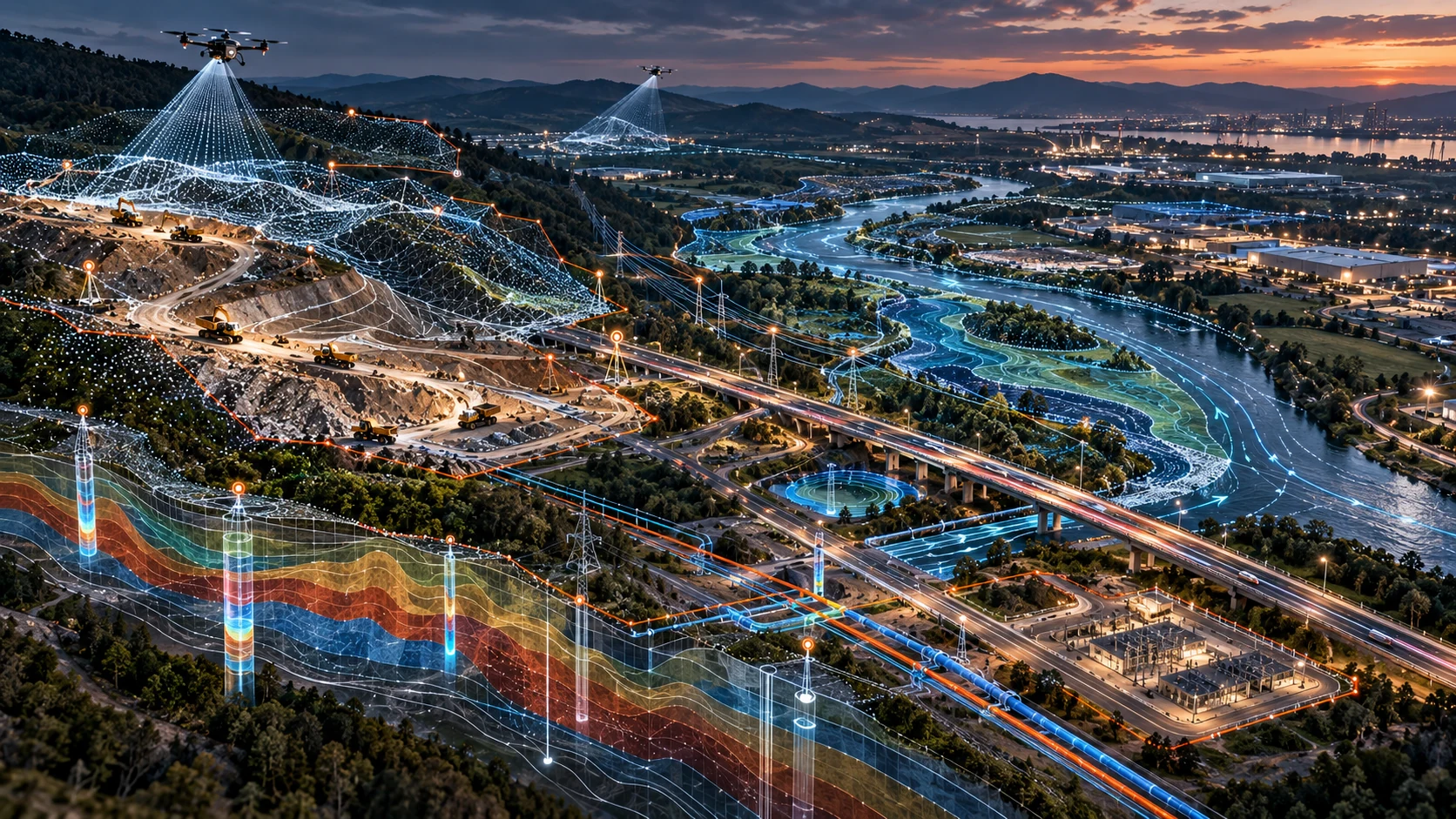
Start decisions from survey, terrain, utilities, hydrology and real-site constraints.
Explore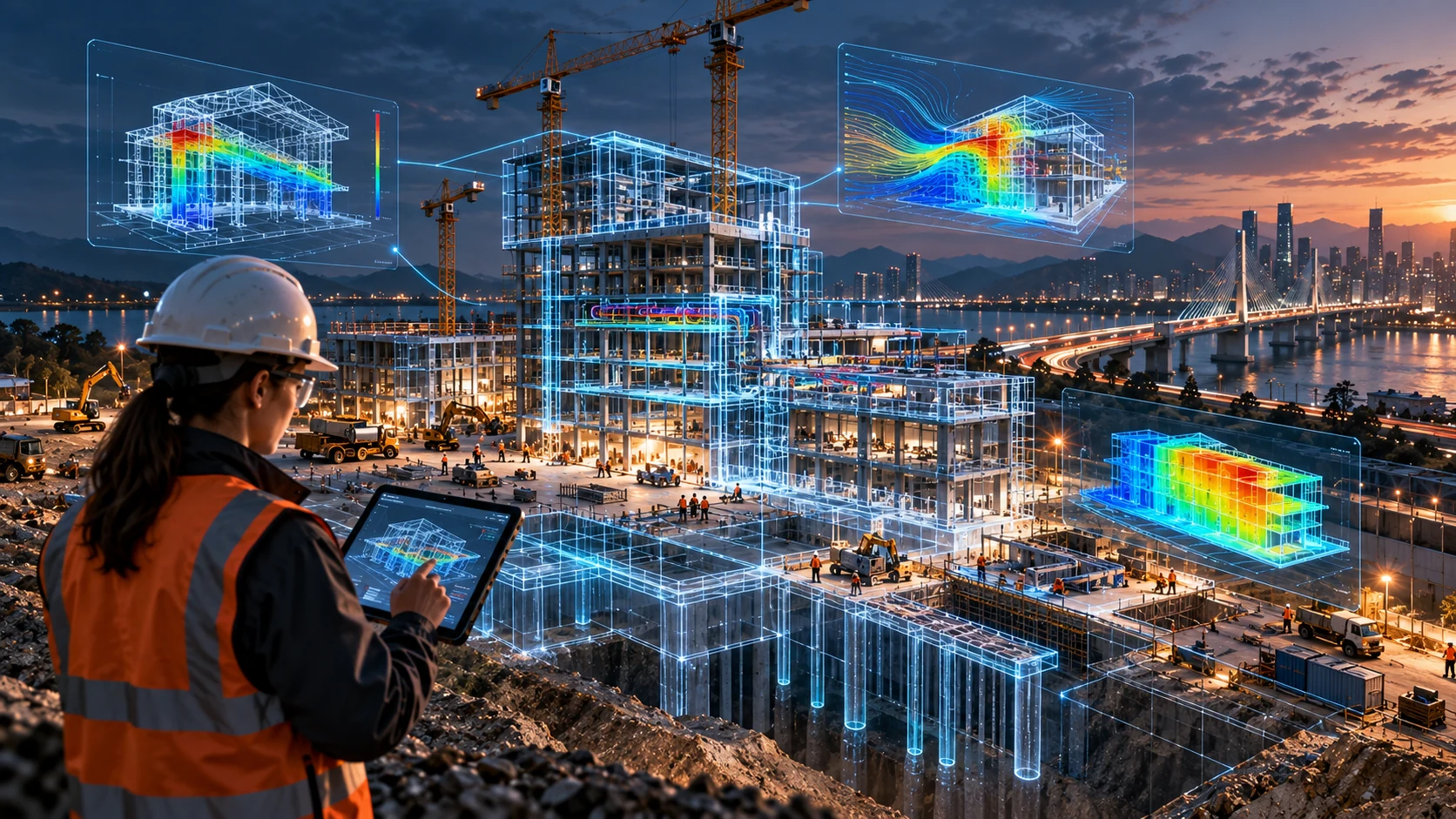
Coordinate multidisciplinary models and test options before construction.
Explore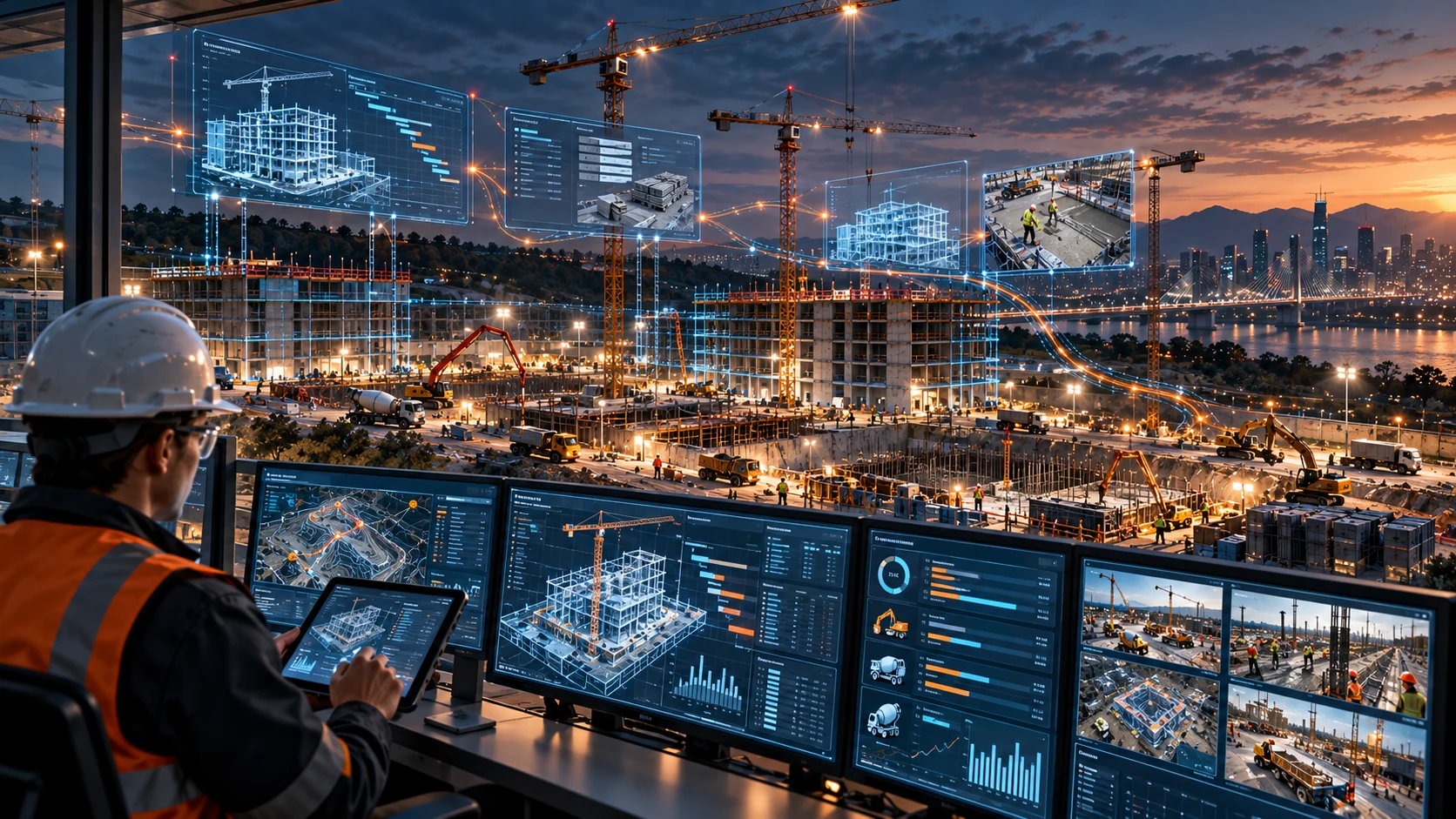
Connect programme, field operations, cost, procurement, quality and safety.
Explore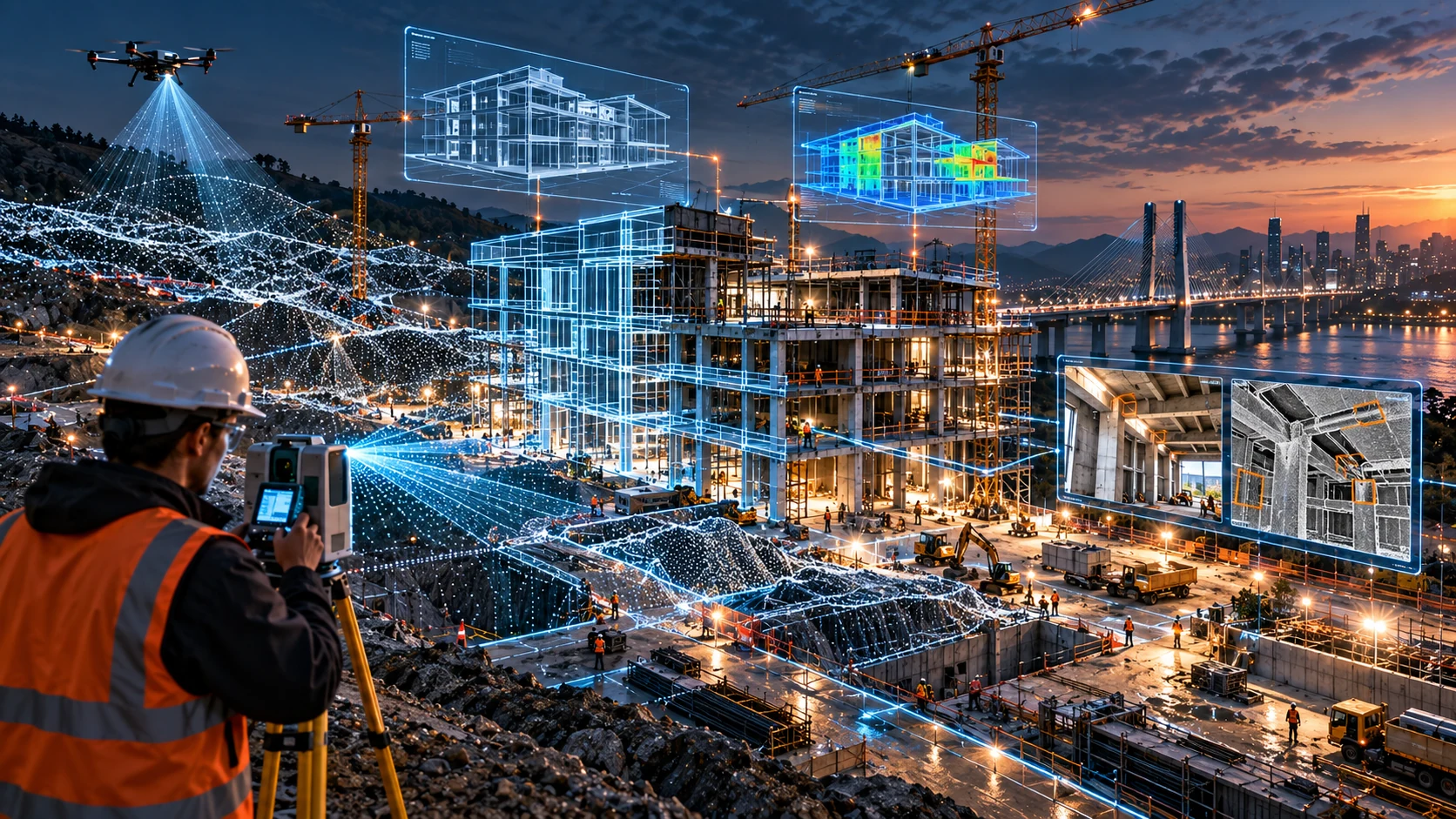
Compare design intent with observed, inspected and accepted work.
Explore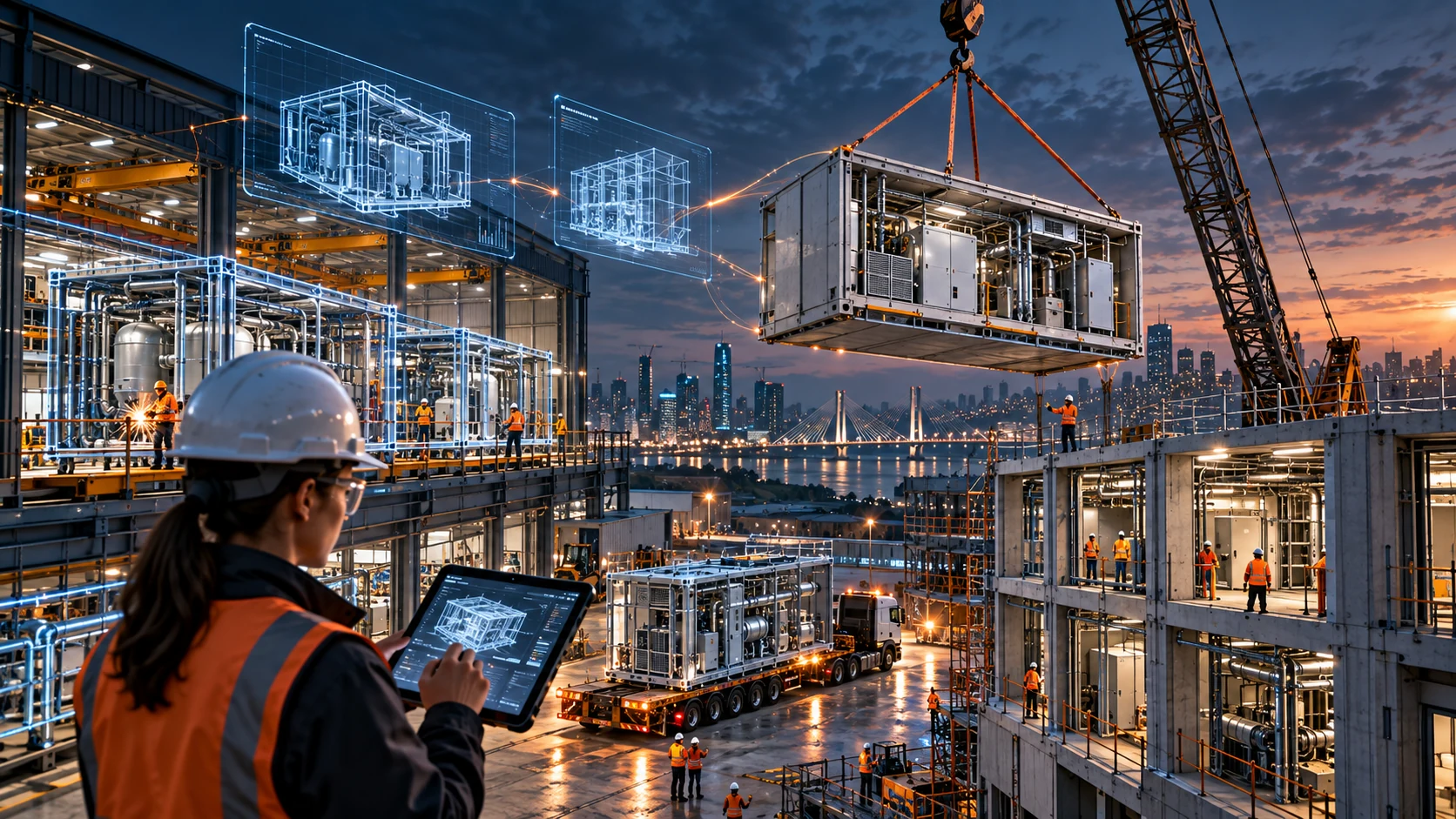
Design suitable packages for manufacture, preassembly and rapid installation.
Explore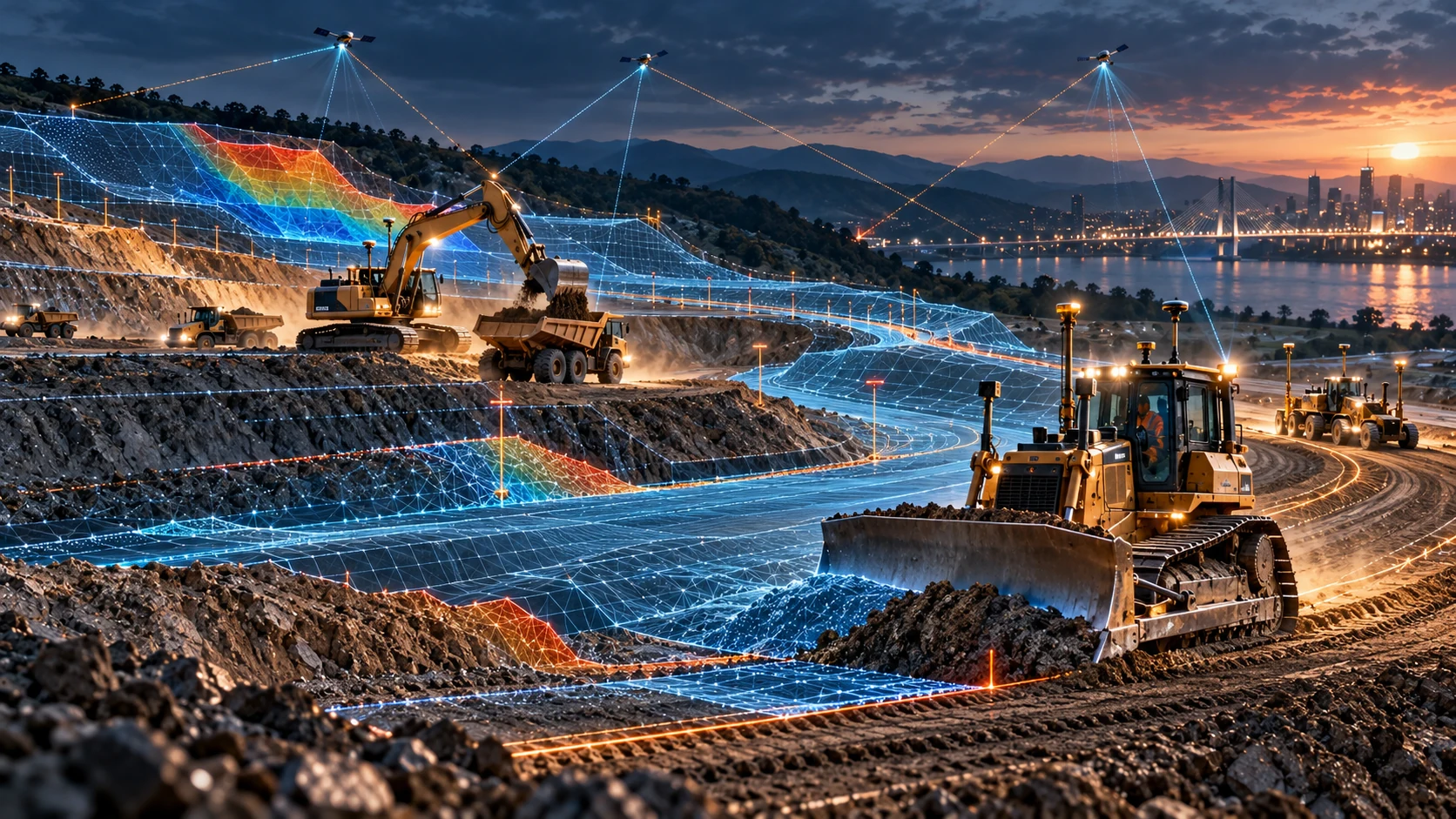
Connect terrain models, machine guidance and verified as-built surfaces.
ExploreAnswers
Practical answers about how Big Three Engineering connects digital engineering with physical delivery.
No. A living digital twin connects the model or digital representation with asset identity, installed information, commissioning, inspection, maintenance, condition and operational data.
It can include equipment identity, manufacturer, serial number, installation date, design duty, drawings, warranty, inspections, maintenance, sensor data and current condition.
Sensors connect live operating conditions such as flow, pressure, vibration, energy, water and environmental performance to the asset’s digital history.
Lifecycle intelligence connects condition, inspections, faults, work orders and performance history so maintenance teams can identify priorities earlier and plan interventions with better information.
Bring B3 Nexus and advanced engineering methods into your next project.